Stories
“We need to further strengthen the link between research and education.”
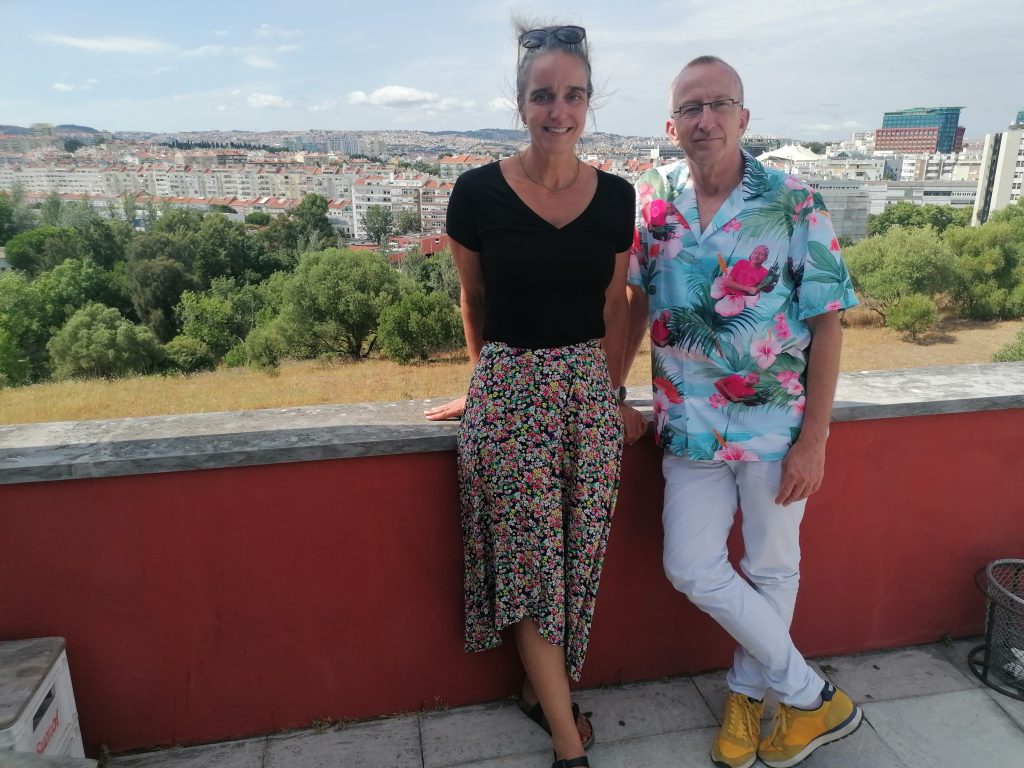
“Although there was already an intention to cooperate within U!REKA earlier, this has increased exponentially over the past 2,5 years,” Mark Van Wees reacts to the question of what makes him proud as he looks back on the past period. “The number of researchers who determine what and with whom they want to research and collaborate and use U!REKA as a channel for this has seen enormous growth.”
At the same time, he adds a consideration: “It does take some time for this to crystallise into concrete research projects. Therefore, research proposals that have effectively started so far remain limited for now, but the number of submitted proposals is very encouraging.”
More than research projects
But research within U!REKA encompasses more than just getting new research projects approved, Mark emphasizes: “It is also about sharing knowledge and research infrastructure, such as various labs. I am not just thinking of specifically equipped spaces, but for example living labs that some U!REKA partners have developed in and together with cities. In this regard, I believe there is still a lot of potential.”
Within U!REKA, three Centres of Expertise have also been established: Climate-neutral and Resilient Cities, Transition to Circular Society, and Innovative Governance and Citizen Engagement. However, more time is needed to make these function smoothly, Mark believes. An additional challenge is that the European Commission, which funds the European Universities, will give much more weight to education compared to research in the next call.
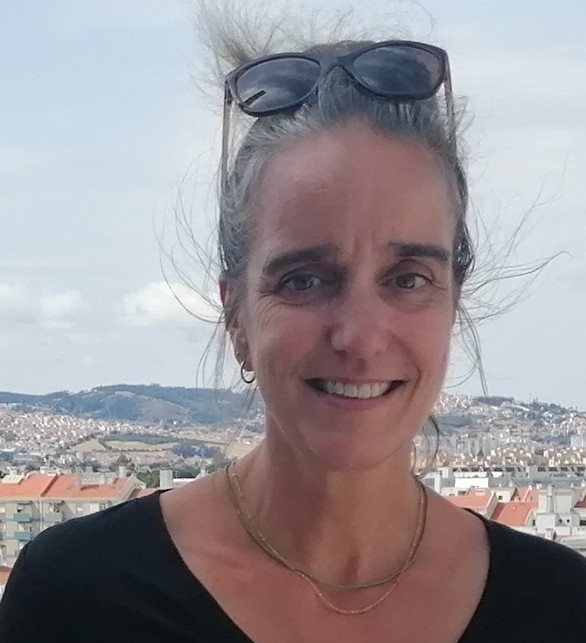
But this should not be a reason to scale back research, says Esther Parigger firmly: “No research means no proper and innovative education. We will defend this principle with conviction at the European Commission. This does imply that we need to further strengthen the link between research and education. Although this link is already undeniable now. Just think of the living labs that Mark mentioned and where education programmes and students are often involved.”
“No research means no proper and innovative education. We will defend this principle with conviction.”
Ester Parigger, research coordinator U!REKA European University
Energy
Esther is also convinced that U!REKA can and should distinguish itself in the field of applied research. “That is one of our unique features. There is a creative and inspiring energy from our researchers and the learning effects created through research projects cannot be denied. We should, however, strive to involve the work field even more.
She further believes that research is currently somewhat too focused on the technical aspects and would like to place more emphasis other research areas, such as social sciences – where her own expertise and background is situated. Esther is already looking forward to starting as the research coordinator of U!REKA. Especially the international context and the sustainability theme appeal to her.
‘Real colleagues’
Mark Van Wees passes the torch to her with a peaceful mind, although he will greatly miss his colleagues, as he mentions: “What strikes me time and again is that within U!REKA, regardless of which institution we work for, we treat each other as real colleagues, not as just project partners.”
He certainly won’t fall into a black hole: he is, among other things, active member of a cooperative farm. “A day being in the field together with other people and then looking at the full crates of fresh cucumbers you have harvested at the end of the workday: there is little that gives me more satisfaction.”